
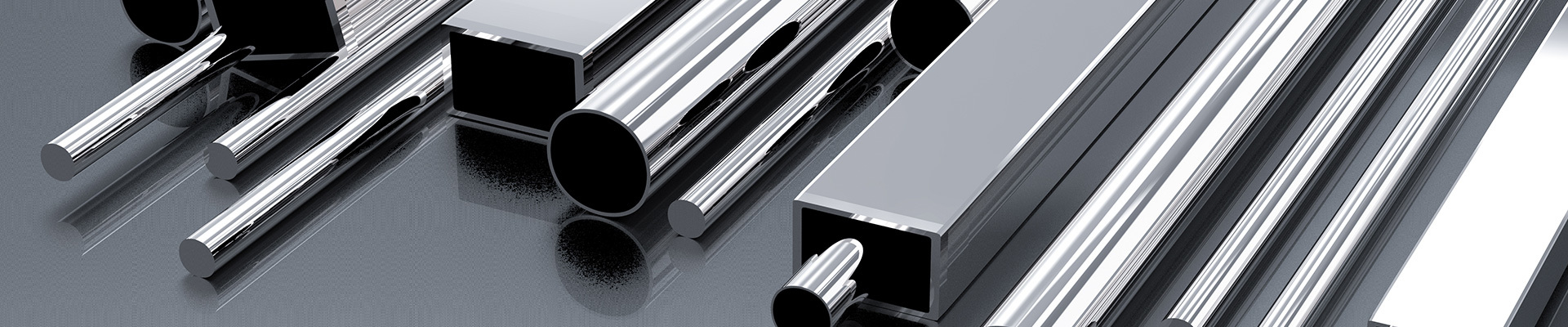

blender
blender
hiddenValue
- Product Detail
- | Technical Information
- | Packaging
-
- Commodity name: blender
Mixer, is a kind of construction machinery, the main is used for mixing cement, sand, all kinds of dry powder mortar and other building materials. This is a machine in which a shaft with blades rotates in a cylinder or groove, stirring and mixing various ingredients into a mixture or a suitable consistency. Mixer is divided into many kinds, there are forced mixer, single horizontal shaft mixer, double horizontal shaft mixer and so on.
Mixer, is a kind of construction machinery, the main is used for mixing cement, sand, all kinds of dry powder mortar and other building materials. This is a machine in which a shaft with blades rotates in a cylinder or groove, stirring and mixing various ingredients into a mixture or a suitable consistency. Mixer is divided into many kinds, there are forced mixer, single horizontal shaft mixer, double horizontal shaft mixer and so on.
Blender is determined by many parameters, it is impossible to describe a blender with any single parameter. Shaft power (P), blade discharge (Q), indenter (H), blade diameter (D) and stirring speed (N) are the five basic parameters to describe a mixer. The discharge amount of the blade is proportional to the flow rate of the blade itself, the first power of the blade speed and the third power of the blade diameter. The shaft power consumed by stirring is directly proportional to the specific gravity of the fluid, the power of the blade itself, the third power of the speed and the fifth power of the blade diameter. Under the condition of a certain power and blade form, the amount of impeller drainage (Q) and the indenter (H) can be adjusted by changing the match between the diameter (D) and the speed (N) of the blade. That is, the large-diameter blade is matched with the mixer with a low speed (to ensure that the shaft power remains unchanged) to produce higher flow effect and lower indenter. Small diameter blade with high speed produces higher head and lower flow action. In a stirring tank, the only way to get the particles to bump into each other is to provide a sufficient shear rate. From the stirring mechanism, it is because of the existence of the velocity difference of the fluid that the layers of the fluid mix with each other. Therefore, the stirring process always involves the fluid shear rate. Shear stress is a force which is the real cause of bubble dispersion and droplet breakage in stirring applications. It must be noted that the shear rate of the fluid at all points in the stirring tank is not uniform. The study on the shear rate distribution shows that there are at least four shear rate values in a stirred tank. They are as follows: The experimental study shows that the maximum shear rate and average shear rate increase with the increase of rotational speed when the blade diameter is constant, regardless of the type of blade. However, the relationship between the maximum shear rate and the average shear rate and the blade diameter is related to the pulp type when the rotating speed is constant. When the rotational speed is constant, the maximum shear rate of radial blade increases with the increase of blade diameter, while the average shear rate is independent of blade diameter. These concepts of blade zone shear rates require special care in blender reduction and enlargement designs.
Key words:- blender
Products & Service
Related Products
Get a Free Quote
To: Tianjin Bohai Metal Company
Tianjin Bohai Metal
Tel : +86 0635 6666186
Fax :+86 0635 6666186
E-mail : bhteddy@cnbhgt.com
E-mail : bhtina@cnbhgt.com
E-mail : bholia@cnbhgt.com
Add : Dongchangfu District, Liaocheng City, Shandong Province